Discovering you've been unlawfully terminated from your job creates uncertainty about your next steps. Understanding the legal process for pursuing a wrongful termination claim helps you make informed decisions about protecting your rights and seeking compensation. Filing a lawsuit requires careful preparation, documentation, and knowledge of California employment law procedures. This guide walks you through each stage of the process from initial evaluation through potential resolution.
If you believe you were wrongfully terminated, contact our firm to discuss your situation and explore your legal options for holding your former employer accountable and recovering the damages you deserve.
What Is Wrongful Termination Under California Law?
Before learning how to sue for wrongful termination, you need to understand what constitutes an illegal firing. California operates under at-will employment, meaning employers can terminate workers for any lawful reason or no reason at all. However, terminations become unlawful when they violate specific legal protections.
- Discrimination-based terminations: occur when employers fire workers due to protected characteristics including race, color, national origin, religion, sex, gender identity, sexual orientation, age, disability, pregnancy, or genetic information under state and federal anti-discrimination laws.
- Retaliation firings: happen when employers terminate workers for engaging in protected activities such as reporting workplace safety violations, filing workers' compensation claims, complaining about unpaid wages, reporting discrimination or harassment, serving jury duty, or taking protected leave under FMLA or CFRA.
- Public policy violations: involve terminations that violate fundamental California public policies, including firing workers for refusing to commit illegal acts, reporting employer illegal activity, exercising statutory rights, or performing public duties like voting or serving on a jury.
- Contract breaches: occur when employers violate written employment contracts, collective bargaining agreements, or implied contracts created through employee handbooks, policies, or verbal promises regarding termination procedures.
How Do You Know If You Have a Valid Wrongful Termination Claim?
Determining whether you have grounds to pursue legal action requires careful analysis of your situation:
- Timing patterns: Consider whether your termination occurred shortly after engaging in protected activity, filing a complaint about workplace violations, requesting reasonable accommodations for a disability, taking protected medical or family leave, or reporting discrimination or harassment.
- Pretextual reasons: Evaluate whether your employer provided shifting explanations for termination, cited performance issues never previously documented, applied policies inconsistently compared to other employees, or fabricated violations after your protected activity.
- Documentation review: Examine your employment records including performance evaluations showing satisfactory or excellent work, emails or messages revealing discriminatory comments, company policies violated during your termination process, and witness statements supporting your version of events.
- Comparative treatment: Assess whether similarly situated employees outside your protected class received different treatment, younger workers replaced you, or the employer tolerated the same behavior from other employees without termination.
What Are the First Steps in How to Sue for Wrongful Termination?
Taking immediate action after termination protects your rights and strengthens your potential claim:
- Preserve evidence: Save all employment-related documents including offer letters and employment contracts, performance reviews and disciplinary records, emails and text messages with supervisors or HR, company handbooks and policy manuals, pay stubs and benefits information, and termination notices or severance agreements.
- Document the circumstances: Write a detailed account of events leading to termination, conversations with supervisors or HR personnel, witnesses to discriminatory comments or actions, dates and times of significant incidents, and your emotional and physical response to the termination.
- Maintain financial records: Track all expenses related to job loss including continued healthcare costs, job search expenses, missed income and benefits, and costs associated with emotional distress like therapy or counseling.
- Avoid signing immediately: Do not sign severance agreements or releases without legal review, as these documents often waive your right to sue in exchange for limited compensation, and you may have time to negotiate better terms.
When Should You Consult a Wrongful Termination Lawyer in Laguna Niguel?
Seeking legal guidance early in the process provides significant advantages:
- Case evaluation: A wrongful termination lawyer can assess the strength of your claim by reviewing termination circumstances and employment history, identifying applicable legal theories and violations, evaluating evidence supporting your position, and advising on realistic outcomes and potential compensation.
- Procedural guidance: Legal counsel helps navigate complex filing requirements including administrative complaint deadlines, required government agency filings, statute of limitations considerations, and proper court procedures if litigation becomes necessary.
- Settlement negotiation: Attorneys handle communications with your former employer, draft demand letters outlining your claims, negotiate severance or settlement terms, and advise whether offers adequately compensate your losses.
- Protection from mistakes: Legal representation prevents common errors like missing critical filing deadlines, waiving rights through improper agreements, damaging your case through social media posts, or accepting inadequate settlement offers.
What Administrative Steps Must You Take Before Filing a Lawsuit?
California and federal law often require administrative filings before you can sue in court:
How Do You File with the California Civil Rights Department?
- DFEH complaint process: File complaints alleging discrimination, harassment, or retaliation with the California Civil Rights Department (formerly DFEH) within three years of the violation, providing detailed information about your employer, the discriminatory conduct, and the harm you suffered.
- Investigation phase: The CRD may investigate your complaint by requesting information from your employer, interviewing witnesses, reviewing relevant documents, and attempting to facilitate resolution through mediation or settlement conferences.
- Right-to-sue notice: After investigation or at your request, the CRD issues a right-to-sue notice allowing you to file a civil lawsuit in superior court, typically within one year of receiving this notice.
When Should You File with the EEOC?
- Federal discrimination claims: File with the Equal Employment Opportunity Commission for violations of federal anti-discrimination laws including Title VII, ADA, ADEA, or the Equal Pay Act, within 300 days of the discriminatory act for states with fair employment agencies like California.
- Dual filing: California has a worksharing agreement with the EEOC, meaning filing with one agency often automatically files with the other, simplifying the administrative process for claims involving both state and federal violations.
How to Sue for Wrongful Termination: The Litigation Process
Once administrative requirements are satisfied, filing a lawsuit follows a structured process:
What Happens During the Complaint Filing Stage?
- Drafting the complaint: Your attorney prepares a legal document outlining factual allegations about your employment and termination, legal claims for wrongful termination and related violations, damages sought including economic and emotional harm, and requests for relief such as reinstatement or compensation.
- Serving the employer: The complaint must be properly served on your former employer according to California civil procedure rules, giving them notice of the lawsuit and deadline to respond, typically within 30 days of service.
- Employer response: Your former employer files an answer admitting or denying allegations, asserting legal defenses, and possibly filing counterclaims or motions to dismiss certain claims.
What Is the Discovery Process in Wrongful Termination Cases?
- Document exchange: Both sides request and produce relevant documents including personnel files and employment records, emails and internal communications, company policies and procedures, financial records establishing damages, and investigation files related to complaints.
- Depositions: Attorneys take sworn testimony from parties and witnesses including your deposition about employment history and termination, depositions of supervisors and HR personnel, testimony from witnesses to discriminatory conduct, and opinions from vocational or economic professionals.
- Interrogatories and requests for admission: Written questions require parties to provide information under oath about claims, defenses, witnesses, and evidence, while requests for admission ask parties to admit or deny specific facts.
How Does Mediation Work in Laguna Niguel Wrongful Termination Cases?
- Settlement discussions: Most wrongful termination cases in Orange County involve mediation where a neutral third party facilitates settlement negotiations, both sides present their positions and evidence, parties negotiate compensation amounts and other terms, and many cases resolve without trial.
- Advantages of settlement: Mediation provides faster resolution than trial, reduced legal costs and emotional stress, guaranteed compensation versus trial uncertainty, confidentiality of terms and outcome, and avoidance of public testimony about private matters.
What Happens If Your Case Goes to Trial?
When settlement proves impossible, wrongful termination cases proceed to trial:
- Trial preparation: Your attorney prepares witnesses and exhibits, develops opening statements and closing arguments, plans examination and cross-examination strategies, and prepares jury instructions explaining relevant law.
- Presentation of evidence: Both sides present their cases through witness testimony and documentary evidence, with you testifying about your employment and damages, employer witnesses defending termination decisions, and potentially using medical or vocational professionals.
- Jury deliberation: In jury trials, jurors evaluate evidence and determine whether wrongful termination occurred, what damages you suffered, and whether punitive damages are warranted based on employer conduct.
- Judgment and appeals: The court enters judgment based on the verdict, which may be appealed by either party based on legal errors, potentially extending the case timeline by months or years.
What Evidence Strengthens Your Wrongful Termination Case?
Building a strong case requires comprehensive documentation:
- Direct evidence: Includes emails or messages containing discriminatory language, recorded statements revealing unlawful motivations, admission by supervisors of illegal reasons, and written policies violated during your termination.
- Circumstantial evidence: Establishes wrongful termination through timing of discharge following protected activity, replacement by someone outside your protected class, disparate treatment compared to similar employees, and departure from standard termination procedures.
- Damage documentation: Proves your losses through pay stubs and tax returns showing lost income, medical bills and therapy records establishing emotional distress, job search documentation showing mitigation efforts, and testimony about life impact and suffering.
- Witness testimony: Corroborates your claims through coworkers who observed discriminatory treatment, former employees with similar experiences, customers or vendors who witnessed conduct, and professionals treating your emotional distress.
How Long Does It Take to Sue for Wrongful Termination in Laguna Niguel?
Understanding the timeline helps set realistic expectations when learning how to sue for wrongful termination:
- Administrative phase: DFEH or EEOC complaints may take several months to a year for investigation and right-to-sue notice issuance, though immediate right-to-sue requests are available when you want to proceed directly to court.
- Litigation timeline: Wrongful termination lawsuits typically take one to three years from filing to trial, with discovery lasting six months to a year, settlement negotiations occurring throughout the process, and trial itself lasting days or weeks depending on complexity.
- Appeals process: If either party appeals, additional months or years may be required for appellate briefing, oral arguments, and decision.
What Costs Are Involved in Suing for Wrongful Termination?
Understanding financial considerations helps you plan:
- Attorney fee arrangements: Many wrongful termination attorneys work on contingency, taking a percentage of recovery only if you win, with no upfront costs but percentage typically ranging from 33% to 40% of settlement or judgment.
- Court costs and expenses: Filing fees, deposition costs, document copying, process server fees, and witness fees are typically advanced by your attorney and reimbursed from settlement or judgment.
- Fee shifting provisions: California law allows prevailing plaintiffs to recover attorney's fees in many employment cases, meaning defendants may be ordered to pay your legal costs if you win.
What Mistakes Should You Avoid When Pursuing a Wrongful Termination Claim?
Common errors can damage or destroy your case:
- Delay in taking action: Missing statute of limitations deadlines, allowing evidence to be destroyed or lost, giving witnesses time to forget details, and reducing negotiation leverage with employers.
- Social media activity: Posting about your case or former employer, sharing information contradicting damage claims, making threats or inflammatory statements, and providing opposing counsel with evidence against you.
- Poor job search efforts: Failing to actively seek comparable employment, rejecting reasonable job offers without justification, not documenting job search activities, and allowing damages to accumulate unnecessarily.
- Destroying evidence: Deleting emails or text messages, discarding employment documents, failing to preserve relevant materials, and losing access to work accounts or devices.
How Can You Improve Your Chances of Success?
Strategic actions strengthen your wrongful termination claim in Laguna Niguel:
- Follow legal advice: Listen to your wrongful termination lawyer's guidance on communications with former employers, social media restrictions, job search requirements, and settlement recommendations.
- Be patient and realistic: Understand that legal processes take time, settlement negotiations involve compromise, outcomes are never guaranteed, and emotional closure comes gradually.
- Maintain credibility: Provide truthful and consistent testimony, avoid exaggeration of facts or damages, acknowledge weaknesses in your case, and present yourself professionally throughout proceedings.
- Focus on recovery: Prioritize your mental and physical health, engage in job search efforts, maintain financial stability, and build support networks to manage stress.

Take Action on Your Laguna Niguel Wrongful Termination Case
Understanding how to sue for wrongful termination empowers you to protect your rights and pursue appropriate compensation. The process involves administrative filings, evidence gathering, potential litigation, and strategic decision-making at every stage. While wrongful termination cases can be complex and time-consuming, California's strong employment protections provide meaningful remedies for workers who suffer unlawful job loss.
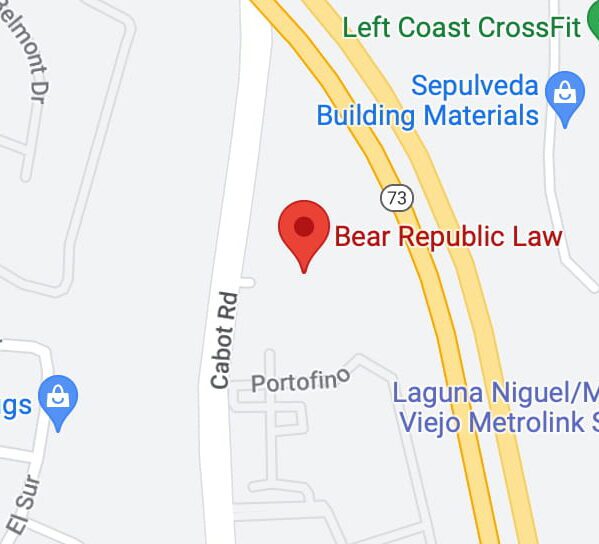
At Bear Republic Law, we guide Orange County employees through every step of the wrongful termination process, from initial case evaluation through settlement negotiation or trial. We help Laguna Niguel workers document their claims, navigate administrative requirements, build strong evidence, and pursue maximum compensation for their losses.
If you believe you were wrongfully terminated, contact our firm to discuss your situation and explore your legal options for holding your former employer accountable and recovering the damages you deserve.