Suffering an injury at work creates immediate concerns about medical treatment, lost wages, and job security. Many California employees worry that reporting a workplace injury or filing a workers' compensation claim will result in termination. Understanding your legal protections helps you make informed decisions about seeking medical care and pursuing benefits without fear of retaliation. While California maintains at-will employment, specific laws protect workers who get hurt on the job from discriminatory or retaliatory terminations.
Contact us today to discuss your situation and learn how we can protect your rights and pursue the compensation you deserve.
Can You Get Fired for Getting Hurt on the Job in California?
California law provides strong protections for injured workers, but the answer depends on the circumstances surrounding your termination. Can you get fired for getting hurt on the job: generally no, if the termination is because of your injury, workers' compensation claim, or related protected activities, though employers may terminate you for legitimate, non-retaliatory reasons unrelated to your workplace injury.
Labor Code Section 132a specifically prohibits employers from discriminating against or terminating employees for filing workers' compensation claims, sustaining workplace injuries, or testifying in workers' compensation proceedings. Violations of this protection constitute both wrongful termination and unfair labor practices.
What Legal Protections Do Injured Workers Have in Laguna Niguel?
California provides multiple layers of protection for employees who suffer workplace injuries:
- Workers' compensation retaliation prohibition: Labor Code Section 132a makes it illegal for employers to discharge, threaten to discharge, or discriminate against employees because they filed workers' compensation claims, suffered work-related injuries, or exercised rights under workers' compensation laws.
- FEHA disability protections: California's Fair Employment and Housing Act protects workers with physical disabilities resulting from workplace injuries, requiring employers to provide reasonable accommodations and prohibiting discrimination based on disability status.
- CFRA and FMLA leave rights: Eligible employees can take protected medical leave for serious health conditions including workplace injuries, with job restoration rights upon return, covering up to 12 weeks of unpaid leave while maintaining health benefits.
- Whistleblower protections: Employees who report workplace safety violations that contributed to their injuries or others' harm receive protection from retaliation under California Labor Code and federal OSHA regulations.
When Is Termination After a Workplace Injury Illegal?
Understanding the difference between lawful and unlawful terminations protects your rights:
What Constitutes Retaliation for Workplace Injuries?
- Timing patterns: Termination shortly after filing a workers' compensation claim, reporting a workplace injury, requesting medical treatment, or returning from medical leave strongly suggests retaliatory motivation.
- Pretextual reasons: Employers citing suddenly discovered performance issues never previously documented, applying policies inconsistently compared to other employees, or fabricating violations after you file a claim indicate unlawful retaliation.
- Discriminatory statements: Supervisors or managers making comments about workers' compensation costs, injured workers being burdens, or suggesting you should quit rather than file claims demonstrate retaliatory intent.
- Adverse treatment changes: Experiencing reduced hours, undesirable shift assignments, demotion, or hostile work environment after reporting injuries constitutes prohibited discrimination even without termination.
What Are Legitimate Reasons for Termination?

- Business necessity: Employers can terminate injured workers for legitimate business reasons completely unrelated to the injury, such as company-wide layoffs affecting multiple positions, department closures or reorganizations, or economic downturns requiring workforce reductions.
- Performance issues: Documented, pre-existing performance problems unrelated to your injury or disability can support termination, provided the employer applied consistent standards, documented issues before the injury occurred, and followed progressive discipline policies.
- Misconduct: Violations of workplace rules, safety policies, or professional conduct standards justify termination regardless of injury status, assuming the employer would terminate any employee for the same conduct.
- Inability to perform essential functions: When injuries permanently prevent you from performing essential job functions even with reasonable accommodations, termination may be lawful after the interactive process determines no accommodation exists.
Can Your Employer Fire You While on Workers' Compensation Leave?
Being on workers' compensation leave provides significant but not absolute protection:
- Protected leave periods: While receiving temporary disability benefits and under doctor's care, termination based on your absence or injury violates retaliation prohibitions, though employers must hold positions open only as required by CFRA, FMLA, or reasonable accommodation duties.
- Leave exhaustion: After exhausting protected leave entitlements and when no reasonable accommodation allows you to return, employers may terminate you, provided they engaged in the required interactive process and documented accommodation impossibility.
- Position elimination: Employers can eliminate positions during your leave for legitimate business reasons, but must prove the decision was truly independent of your workers' compensation claim or injury status.
- Return-to-work rights: Upon medical clearance to return, you're generally entitled to reinstatement to your former position or a comparable role, with termination at this stage raising strong retaliation presumptions.
What Should You Do If You're Fired After Getting Hurt on the Job?
Taking prompt action protects your rights and strengthens potential claims:
How Do You Document the Termination?
- Request written termination notice: Ask your employer to provide written documentation stating the specific reasons for termination, dates of alleged performance issues or policy violations, and any company policies allegedly violated.
- Preserve all evidence: Save workers' compensation claim documents, medical records and treatment documentation, performance reviews and disciplinary records from before and after injury, emails and text messages with supervisors, and witness contact information for coworkers who observed relevant events.
- Document timing and circumstances: Write detailed accounts of when you reported your injury, when you filed your workers' compensation claim, conversations about your injury with supervisors or HR, and the timeline between your claim and termination.
- Gather comparative evidence: Identify similarly situated employees who weren't injured to compare treatment, document whether the employer retained or replaced you, and note any inconsistencies in how policies were applied.
What Damages Can You Recover If You're Illegally Fired for Getting Hurt?
Can you get fired for getting hurt on the job: illegally fired workers can pursue substantial compensation through wrongful termination and retaliation claims:
What Economic Damages Are Available?
- Lost wages and benefits: Compensation for income you would have earned from termination through trial or new employment, including salary, bonuses, commissions, health insurance, retirement contributions, and other employment benefits.
- Future earning capacity: Recovery for long-term career impact when wrongful termination damages your professional reputation, creates employment gaps, or forces acceptance of lower-paying positions due to ongoing injury limitations.
- Workers' compensation benefits: Continued eligibility for temporary disability, permanent disability, medical treatment, and vocational rehabilitation despite termination, as firing doesn't eliminate entitlement to benefits for work-related injuries.
- Job search and retraining costs: Reimbursement for expenses incurred seeking new employment or obtaining training for alternative careers when injuries prevent returning to your former occupation.
What Non-Economic and Punitive Damages Apply?
- Emotional distress: Compensation for psychological harm including anxiety, depression, humiliation, and loss of enjoyment of life resulting from both the injury and the unlawful termination.
- Punitive damages: Additional awards punishing employers for particularly egregious retaliation, such as threatening other employees, destroying evidence, or maintaining patterns of retaliating against injured workers.
- Attorney's fees: California law allows prevailing plaintiffs in Labor Code Section 132a cases to recover attorney's fees from employers, making legal representation more accessible for wrongfully terminated injured workers.
How Do You Prove You Were Fired for Getting Hurt on the Job in Laguna Niguel?
Building a strong retaliation case requires comprehensive evidence:
- Temporal proximity: Demonstrating close timing between filing your workers' compensation claim and termination creates strong inference of retaliation, particularly when termination occurs within days or weeks of claiming benefits.
- Shifting explanations: Documenting inconsistent or changing reasons for termination, departures from standard procedures, or newly discovered justifications suggests pretextual motivations masking illegal retaliation.
- Comparative evidence: Showing non-injured employees received better treatment for similar conduct, retained employment despite comparable performance issues, or avoided discipline for identical policy violations strengthens discrimination claims.
- Direct evidence: Statements by supervisors or managers about workers' compensation costs, injured workers being problematic, or suggestions to avoid filing claims provide powerful proof of retaliatory intent.
Can You Collect Both Workers' Compensation and Wrongful Termination Damages?
California law allows injured workers to pursue multiple remedies simultaneously:
- Separate legal systems: Workers' compensation provides medical benefits and wage replacement through the administrative system regardless of termination, while wrongful termination claims pursue damages for illegal firing through civil courts.
- Non-overlapping damages: Workers' compensation covers medical treatment and partial wage replacement for injury-related disability, while wrongful termination claims address full lost wages from illegal discharge, emotional distress, and punitive damages.
- Coordinated recovery: Attorneys coordinate both claims to maximize total recovery without duplicating damages, ensuring workers' compensation liens are satisfied from wrongful termination settlements while preserving ongoing medical benefits.
- Strategic considerations: Pursuing both claims simultaneously applies maximum pressure on employers, provides multiple paths to recovery, and protects rights under different legal frameworks with varying limitation periods.
What Are Common Employer Tactics After Workplace Injuries?
Recognizing unlawful employer responses helps you identify violations:
- Questioning injury validity: Employers conducting excessive surveillance, demanding unnecessary medical examinations, or publicly doubting injury legitimacy create hostile environments discouraging workers' compensation claims.
- Light duty manipulation: Offering modified work assignments designed to be impossible, humiliating, or outside your restrictions attempts to force resignation rather than accommodate legitimate limitations.
- Progressive discipline acceleration: Suddenly documenting minor infractions, applying policies strictly only to injured workers, or creating paper trails after years of satisfactory performance builds pretextual termination justification.
- Constructive discharge: Making working conditions so intolerable through harassment, isolation, assignment changes, or hostile treatment that employees feel forced to resign, avoiding direct termination while achieving the same result.
When Should You Contact a Wrongful Termination Lawyer?
Seeking legal guidance promptly protects your rights:
- Before signing anything: Severance agreements often include releases waiving your right to sue for wrongful termination and workers' compensation retaliation, making legal review essential before accepting any termination package.
- Immediately after termination: Consulting a wrongful termination lawyer preserves evidence while fresh, documents circumstances thoroughly, protects against deadline violations, and maximizes leverage in early settlement negotiations.
- When experiencing retaliation: Even before termination, if you're facing reduced hours, hostile treatment, discipline, or threats after reporting injuries, legal counsel can intervene to stop retaliation and document ongoing violations.
- During the interactive process: When employers fail to engage meaningfully in accommodation discussions or prematurely claim no accommodation exists, attorneys ensure compliance with disability laws and document failures.
What Is the Interactive Process for Injured Workers?
California disability law requires employers to engage in good faith dialogue:
- Employee obligation: You must inform your employer about work-related limitations, provide medical documentation of restrictions, and participate cooperatively in identifying potential accommodations.
- Employer responsibilities: Companies must engage in timely, good faith discussions, consider all reasonable accommodation options, document the interactive process, and provide accommodations unless demonstrating undue hardship.
- Reasonable accommodations: Potential modifications include temporary light duty assignments, modified schedules or reduced hours, reassignment to vacant positions you're qualified for, additional leave beyond statutory minimums, and workplace modifications addressing physical limitations.
- Process failures: Refusing to engage in discussions, ignoring accommodation requests, claiming no options exist without investigation, or terminating before completing the process violates disability discrimination prohibitions.
How Do Orange County Courts View Workers' Compensation Retaliation?
Understanding local legal standards helps set expectations:
- Strong worker protections: California courts consistently hold that can you get fired for getting hurt on the job violations warrant serious consequences, with Labor Code Section 132a presumptions favoring injured workers when timing suggests retaliation.
- Burden shifting: Once you establish you engaged in protected activity and suffered adverse employment action shortly thereafter, the burden shifts to employers to prove legitimate, non-retaliatory reasons.
- Skeptical view of pretexts: Orange County courts carefully scrutinize employer justifications, particularly when performance issues weren't documented before injuries, discipline accelerated after claims, or similarly situated employees received different treatment.
- Substantial damages: Successful retaliation claims often result in significant damage awards including full back pay, emotional distress compensation, and punitive damages when employer conduct demonstrates willful violations.
Can Independent Contractors Get Fired for Workplace Injuries?
Worker classification affects protections available:
- Employee protections: True employees receive full workers' compensation retaliation protections, disability discrimination prohibitions, and wrongful termination remedies under California law.
- Misclassification issues: Many workers classified as independent contractors are actually employees under California's ABC test, making them eligible for all employment law protections despite their designation.
- Limited contractor protections: Genuine independent contractors have limited protections against termination, though they may have breach of contract claims if agreements specify termination procedures or notice requirements.
- Reclassification benefits: Successfully proving misclassification opens eligibility for workers' compensation benefits, disability protections, wrongful termination claims, and other employee rights.
What Should You Know About Medical Evaluations During Employment?
Workplace injuries often involve multiple medical examinations:
- Treating physician rights: You generally choose your treating physician for workers' compensation cases, and their opinions carry significant weight regarding work restrictions, necessary treatment, and disability status.
- QME and AME evaluations: Qualified Medical Evaluators or Agreed Medical Evaluators may examine you to resolve disputes about injury extent, causation, disability ratings, or need for continuing treatment.
- Employer medical requests: While employers can request medical documentation regarding work restrictions and accommodation needs, they cannot demand private medical records unrelated to workplace limitations.
- Surveillance concerns: Employers sometimes conduct surveillance of injured workers, but terminating based on legal activities caught on video generally still violates retaliation prohibitions when motivated by workers' compensation claims.
Protect Your Rights After Workplace Injuries
Understanding whether can you get fired for getting hurt on the job helps you navigate the complex intersection of workers' compensation, disability rights, and employment protections. California law prohibits terminating employees in retaliation for workplace injuries or workers' compensation claims, though legitimate business reasons unrelated to injuries may justify separation. Recognizing unlawful retaliation, documenting circumstances thoroughly, and seeking legal counsel promptly maximizes your ability to protect your job or pursue compensation for wrongful termination.
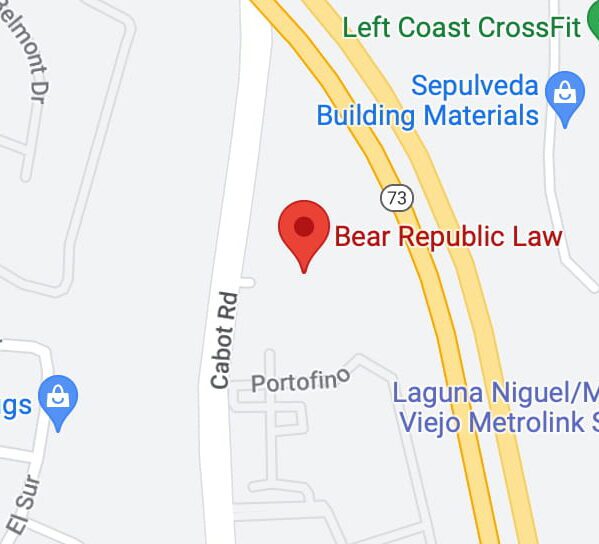
At Bear Republic Law, we represent Laguna Niguel and Orange County employees facing termination after workplace injuries. We evaluate whether your firing violated Labor Code Section 132a or disability discrimination laws, pursue workers' compensation benefits while handling wrongful termination claims, document retaliation evidence and employer pretext, and seek maximum compensation including lost wages, emotional distress, and punitive damages. If you've been fired after getting hurt on the job or are experiencing retaliation for filing a workers' compensation claim, contact our firm to discuss your rights and legal options for holding your employer accountable.
Contact Bear Republic Law About Your Workplace Injury Termination
If you were fired after getting hurt on the job in Laguna Niguel or anywhere in Orange County, Bear Republic Law can help. We handle workers' compensation retaliation and wrongful termination cases throughout Southern California.
Contact us today to discuss your situation and learn how we can protect your rights and pursue the compensation you deserve.